watch wrestling Watch Wrestling – Watch WWE | WWE Raw | Smackdown Live

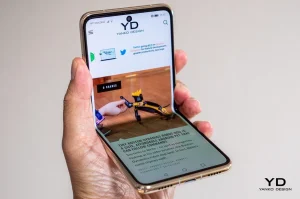
Foldable phones represent an intriguing fusion of style and technological innovation, capturing consumers’ imaginations with their unique designs and versatile functionality. As the market for these devices expands, their aesthetic evolution tells a fascinating story about technological advancements and shifting consumer preferences. Starting from their origins, foldable phones have seen dramatic changes in design sophistication and user experience. This blog delves into this evolution, highlighting key moments and breakthroughs that have shaped the journey of foldable phones and speculating on what the future holds for these stylish gadgets.
The Genesis of Foldable Technology
The concept of foldable technology dates back to the early 2000s when companies began experimenting with flexible screen technology. Initial experiments focused on proving the feasibility of bending displays without breaking them. Early prototypes were understandably rudimentary and bulky, lacking the sophistication required for mainstream consumer adoption. However, these initial steps set the stage for future advancements.
Design Breakthroughs: From Clunky to Sleek
As interest in foldable phones peaked, manufacturers faced the challenge of transitioning from concept to a product that buyers would find both stylish and practical. Early foldable phone designs were characterized by their bulkiness and visible hinges, necessary for managing the opening and closing mechanisms. While impressive from a technological standpoint, these early models left much to be desired in terms of aesthetics.
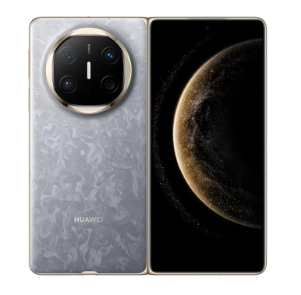
However, rapid advancements soon followed. Manufacturers started focusing on creating slimmer, more elegant designs that seamlessly integrated hinges and flexible displays. For instance, Huawei’s Mate X represented significant strides toward achieving the ideal balance of form and function. These devices sported thinner profiles, less conspicuous hinges, and improved durability. The use of high-quality materials such as aluminum and glass further enhanced their visual appeal, transforming foldable phones into technological marvels and fashion statements alike.
Providing an enhanced user experience, these design advancements marked a significant milestone in the evolution of foldable phones, but they were just the beginning of the transformation journey.
User Experience Enhanced by Design
The design advancements in foldable phones have greatly impacted user experience. Early adopters appreciated the novelty of foldable screens, but practical concerns such as durability, screen wrinkles, and battery life initially overshadowed the novelty. Over time, manufacturers addressed these issues by refining the technology and materials used.
Enhanced hinge technology has played a crucial role in improving user experience. Modern foldable phones feature hinges that can withstand thousands of folds without deteriorating. This improvement has alleviated concerns about the longevity of these devices, making them more appealing to a wider audience. Additionally, the transition from rugged to sleek designs has made foldable phones more pocket-friendly, literally fitting into consumers’ daily lives more seamlessly.
Moreover, the versatility of foldable screens offers a dual-screen experience in one device. Users can switch from a compact phone-sized screen to a fuller tablet-like display, enabling multitasking and enhancing productivity. This flexibility caters to both casual users and professionals who need a device that can adapt to different usage scenarios.
The enhanced user experience demonstrated through these design improvements set the stage for key market players to contribute further to the evolution of foldable phones.
Market Leaders and Their Design Contributions
Huawei mate x6 has pushed boundaries with its Mate X series. Huawei’s focus on creating devices with large, uninterrupted screens and sleek designs has earned it a significant share of the foldable phone market. In particular, the Mate X6 has been praised for its refined hinge mechanism and minimal crease, offering an almost seamless viewing experience.

The Future of Foldable Phones: Trends and Predictions
The foldable phone market is poised for continued growth, with several trends and predictions shaping its future. One key trend is the integration of cutting-edge technologies such as 5G, improved battery life, and enhanced camera systems into foldable designs. These advancements will make foldable phones not only more powerful but also more versatile, catering to a broader range of consumer needs.
Another trend is the pursuit of even thinner and more durable materials. Future foldable phones are likely to feature next-generation materials that further reduce bulk and increase durability. We can also expect innovations in hinge design that will make folding and unfolding even smoother and more reliable.
Moreover, software optimization will play a crucial role. As foldable phones become more common, operating systems and apps will need to adapt to make full use of the dual-screen capabilities. This will enhance user experience by providing more seamless transitions and better multitasking functionalities.
Lastly, environmental sustainability will become a significant focus. Manufacturers will likely invest in eco-friendly materials and more sustainable production processes to appeal to environmentally conscious consumers.
Conclusion
The aesthetic evolution of foldable phones reflects the dynamic nature of technology and design. From their clunky and experimental beginnings to the sleek and stylish devices we see today, foldable phones have come a long way. This journey has been marked by significant breakthroughs, innovations from market leaders, and a constant push towards enhancing user experience. As we look to the future, the continued evolution of foldable phones promises even more exciting developments. With improvements in technology, design, and sustainability, foldable phones are set to remain a stylish and functional choice for consumers worldwide.
FAQs
What are the key design elements that make foldable phones stylish?
Key design elements include slim profiles, seamless hinge integration, high-quality materials like aluminum and glass, and an overall sleek aesthetic.
How do foldable phones balance style and functionality?
Foldable phones balance style and functionality by incorporating advanced hinge technology, flexible displays, and materials that ensure durability and visual appeal.
What can we expect from the future of foldable phone designs?
The future of foldable phone designs will likely feature even thinner and more durable materials, enhanced technologies such as 5G and better battery life, and optimized software for improved user experience.