watch wrestling Watch Wrestling – Watch WWE | WWE Raw | Smackdown Live


Diamonds have always been perceived as synonymous with expensive items, and the diamond industry is a very lucrative one. However, with the realisation of laboratory-produced diamond technology, the diamond industry has undergone an unprecedented upheaval.
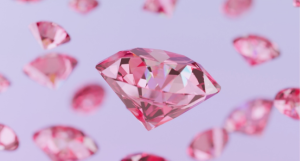
Lab-produced diamonds are also called cultivated diamonds. The conditions under which diamonds are created can be artificially facilitated in a laboratory, shortening the time it takes for a diamond to form from hundreds of millions of years to a matter of months or even weeks. These artificially synthesised gemstones have similar optical, physical and chemical properties compared to natural diamonds found in nature. This is undoubtedly a huge step forward in human cultivation of diamonds. It is worth mentioning that the cutting and polishing process of laboratory diamonds is also becoming more sophisticated, and people will use various engraving tool to fine-tune and polish jewellery pieces made from laboratory diamonds.
However, people in different regions and countries have different views and acceptance of lab-grown diamonds due to factors such as tradition, economy, culture and environmental awareness.
Asia
Countries in the Asian region are not very consistent in their attitudes towards laboratory diamonds.
India and China have the fastest growing technology for synthetic gemstones and are more affordable compared to other regions, so the adoption of synthetic gemstones by people in these two countries is also relatively high. But the situation is different in Japan, which is also in the Asian region. Because of the strong traditionalism of the Japanese diamond market, natural diamonds enjoy a much higher reputation among Japanese people, and it is difficult for laboratory diamonds to shake the market position of natural diamonds. However, people are gradually beginning to accept the existence of lab diamonds as they gain a better understanding of the advantages of jewellery made from lab diamonds.
Europe
It took a long time for lab diamonds to be accepted by the people of Europe, as there was already a well-established process in Europe for handicraft and luxury craftsmanship. Belgium was the first to throw its hat in the ring for lab diamonds. Although Belgium owns the majority of the diamond market, they have taken a keen interest in the science behind synthetic diamonds, and Belgian scientists have even purchased specialised stereo microscope to look at the fine structure inside lab diamonds. However, the rest of Europe still favours natural diamonds, which they prefer for their rarity and collectability.

North America
The younger generation in North America is more interested in ethical products, and under their influence, people in this region are more inclined to prefer man-made diamonds, especially Americans and Canadians. The younger generation has discovered that the mining of natural diamonds can cause indelible damage to the surrounding environment, such as landslide disasters caused by soil mining, and in serious cases, can even endanger the lives of the mining personnel. So while there is inevitably some guilt associated with buying natural diamonds, there are no such concerns with synthetic diamonds. Synthetic diamonds can also satisfy people’s need for decoration, drastically reduce their financial burden, and also minimise the impact on the environment. As a result, laboratory diamonds have great appeal to consumers in North America.
Africa
The African region is very rich in natural diamond reserves, which doesn’t mean that they are completely denied access to lab diamonds. Although some countries that are particularly dependent on diamond mining for economic support have a very unfriendly attitude towards laboratory diamonds, fearing that they are a threat to the national economy, the general public, especially those in urban areas, are significantly more attracted to laboratory diamonds than to natural diamonds for reasons of environmental protection and the price advantage of man-made diamonds. This interesting phenomenon also brings us some inspiration – economic profit is not the only determining factor, it can coexist with global concern for the environment and ethics.
Market prospects for synthetic diamonds
Natural diamonds are often combined with precious metals such as gold and platinum to create precious jewellery pieces because of their excessive cost. Synthetic diamonds, on the other hand, can not only be used in conjunction with precious metals, but because of their price advantage, they can also be used as accessories for leather goods and clothing as well as for decorative purposes in lamps, daily necessities and furniture. The low cost of synthetic diamonds means that jewellery designers have more room for creativity and can experiment with synthetic diamonds to create a variety of fancy cuts and colours. Good design is what makes jewellery attractive, so synthetic diamonds can be considered sustainable for the jewellery industry.
The Future of Laboratory Diamonds
The shift from natural diamonds to laboratory diamonds has been influenced by a variety of commercial, cultural and ethical factors, and while it is not certain that laboratory diamonds will ever completely replace natural diamonds, it is clear that laboratory diamonds are bound to have a long-lasting presence in people’s lives, as they challenge traditional norms of desire, beauty and aesthetics.
As technology matures and becomes more widespread, lab diamonds are becoming cheaper to produce and higher in quality. Consumers around the globe are generally concerned about the ecological aspects of the planet’s environment and are inclined to choose jewellery that is ethically sourced. All factors are revealing that laboratory diamonds have a bright future.
Laboratory diamonds have given rise to a dialogue of exchange and collision between different cultures, ultimately changing people’s perception of luxury and transforming their pursuit of luxury into ecological concern.