watch wrestling Watch Wrestling – Watch WWE | WWE Raw | Smackdown Live

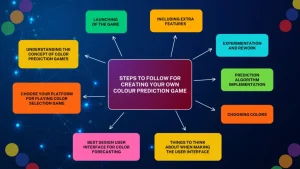
Creating your own online color prediction game involves several steps, from conceptualization to launch. Here’s a detailed guide to help you develop your own game:
1. Conceptualization and Planning
- Game Mechanics: Define the core mechanics of your game. Decide how players will make predictions, what colors will be used, how outcomes will be determined, and how winnings will be calculated.
- Target Audience: Identify your target audience. This will influence your game’s design, complexity, and marketing strategy.
- Monetization: Determine how you will monetize your game. Options include in-app purchases, advertisements, or a subscription model.
2. Design
- User Interface (UI): Design a clean, intuitive UI that is easy for players to navigate. Consider hiring a professional UI/UX designer.
- Graphics and Animation: Create visually appealing graphics and animations to enhance the user experience. Tools like Adobe Photoshop, Illustrator, and After Effects can be useful.
- Sound Design: Add engaging sound effects and background music to make the game more immersive.
3. Development
- Choose a Development Platform: Decide whether you want to create a web-based game or a mobile app. Common platforms include HTML5 for web games and Unity or Unreal Engine for mobile apps.
- Programming Languages: Depending on your chosen platform, you’ll need to use appropriate programming languages. HTML5, JavaScript, and CSS for web; C# with Unity or C++ with Unreal Engine for mobile.
- Random Number Generator (RNG): Implement a reliable RNG to ensure fair and unpredictable outcomes. RNGs are crucial for maintaining the integrity of prediction games.
4. Backend Development
- Server Setup: Choose a robust server to handle game data, user accounts, and transactions. Popular options include AWS, Google Cloud, and Microsoft Azure.
- Database Management: Set up a database to store user information, game statistics, and transaction history. Common database solutions are MySQL, PostgreSQL, and MongoDB.
- Security Measures: Implement security measures to protect user data and prevent cheating. Use encryption for sensitive data and secure coding practices to prevent vulnerabilities.
5. Testing
- Alpha Testing: Conduct initial testing with a small group of users to identify bugs and gather feedback on gameplay.
- Beta Testing: Expand testing to a larger group to further refine the game and ensure it functions well under different conditions and on various devices.
- Stress Testing: Test the game under heavy loads to ensure it can handle large numbers of concurrent users without performance issues.
6. Launch
- Marketing Strategy: Develop a marketing strategy to promote your game. Utilize social media, gaming forums, and influencer partnerships to reach your target audience.
- App Stores and Websites: Publish your game on relevant platforms like Google Play, the Apple App Store, and gaming websites.
- User Support: Set up customer support channels to assist players with any issues they may encounter.
7. Post-Launch Maintenance
- Updates and Improvements: Continuously update your game to fix bugs, introduce new features, and improve user experience based on feedback.
- Community Engagement: Build a community around your game by engaging with players through forums, social media, and in-game events.
- Analytics and Monitoring: Use analytics tools to monitor user behavior and game performance. Adjust your strategies based on data insights to enhance user engagement and retention.
Tools and Resources
- Design Tools: Adobe Creative Suite (Photoshop, Illustrator), Sketch, Figma
- Development Tools: Unity, Unreal Engine, HTML5, JavaScript, CSS
- Backend Tools: AWS, Google Cloud, Microsoft Azure, MySQL, PostgreSQL, MongoDB
- Testing Tools: TestFlight for iOS, Firebase Test Lab for Android, Selenium for web testing
- Analytics Tools: Google Analytics, Mixpanel, Unity Analytics
Conclusion
Developing your own online color prediction game at Daman app involves careful planning, design, and execution. By following these steps and leveraging the right tools and resources, you can create an engaging and successful game. Remember to continuously gather feedback and make improvements to keep your players engaged and satisfied.