watch wrestling Watch Wrestling – Watch WWE | WWE Raw | Smackdown Live

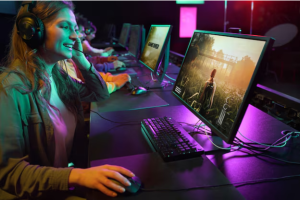
In the world of online gaming, visuals play an essential role in shaping a player’s experience. Among the most crucial visual elements are colors, which not only create aesthetic appeal but also significantly influence player behavior and emotions. Online slots, with their engaging themes and vibrant graphics, often utilize color theory to maximize engagement, manipulate emotions, and enhance the overall gaming experience. In this article, we will explore how color theory influences player emotions in online slots, the psychology behind color choices, and how it affects both retention and player satisfaction.
Understanding Color Theory
What Is Color Theory?
Color theory refers to the study of how colors interact and the psychological impact they have on human perception. It combines science and art to guide the use of color in various media, ensuring harmony and emotional resonance. Colors evoke specific feelings, and their combinations can enhance or change a viewer’s mood. The primary color models used in visual media are the RGB (Red, Green, Blue) and CMYK (Cyan, Magenta, Yellow, Key/Black) models.
Color theory encompasses principles such as color contrast, saturation, hue, and brightness, which help in choosing colors that will elicit a particular response from an audience. Understanding these principles is key in online slots, where developers aim to evoke excitement, fun, and sometimes calmness or a sense of victory.
Colors and Their Emotional Impact
Each color is associated with specific emotions, which makes them powerful tools in design. Here’s a quick look at how some common colors used in online slots affect emotions:
- Red: Excitement, energy, and urgency. Red is known to increase heart rates and create a sense of urgency. It’s commonly used in online slots for elements such as bonuses, jackpot notifications, or key in-game events to create excitement.
- Yellow: Happiness, optimism, and alertness. Yellow is often used to grab attention, but it should be used carefully as it can also induce anxiety. Slot games may use yellow in rewards or celebratory animations to convey joy and success.
- Blue: Calmness, trust, and stability. Blue can be found in slots that want to create a sense of serenity or a consistent gaming environment. It’s also a color that’s less likely to fatigue the eyes, making it ideal for background design.
- Green: Balance, growth, and calm. Green is the color of nature and is often associated with balance and growth. In slots, it can be used to signify progress, relaxation, or environmental themes.
- Purple: Luxury, creativity, and mystery. Purple often conveys a sense of royalty and exclusivity. It is commonly found in slot games with themes of riches or fantasy.
- Orange: Enthusiasm, creativity, and warmth. Orange can stimulate emotions of excitement and enthusiasm, often used in promotions or reward-related sections of slot games.
The Role of Color in Player Engagement
Creating an Immersive Experience
One of the primary functions of color in online slots is to create an immersive environment that complements the theme of the game. For example, a slot game set in ancient Egypt may utilize earthy tones like sandy browns and deep golds, while a futuristic-themed game might opt for neon greens, blues, and purples. These color schemes help players feel more connected to the game’s narrative, creating a more enjoyable and engaging experience.
Highlighting Key Game Features
Color is also used strategically to highlight important features in the game. Bright, high-contrast colors are typically used to draw attention to key aspects of the slot interface, such as the “spin” button, paylines, bonuses, and jackpots. These colors stand out against the background, prompting players to interact with these features more frequently. For example, a glowing red “spin” button against a darker backdrop creates urgency and excitement, prompting the player to take action.
Guiding Player Decisions
Beyond aesthetics, color can also subtly guide player behavior and decision-making. Developers use color psychology to ensure that players remain engaged with the game while feeling rewarded and entertained. Slot games often have progress bars or meters that use green to signify safety or advancement, while yellow or red might be used to create a sense of caution or urgency.
In a bonus round, for example, using a burst of bright yellow or gold conveys the excitement and joy of hitting a big win, while cooler blues and greens in the background ensure the player remains calm and relaxed in normal gameplay.
Color and Emotional Response
Excitement vs. Relaxation
Color choices in online slots can play a pivotal role in the emotional tone of the game. High-energy slots might use bold and vibrant colors like red, orange, and yellow to create a sense of excitement and urgency. These colors stimulate the brain and increase adrenaline, making the player more alert and engaged.
On the other hand, slots designed to provide a more relaxed and laid-back experience often use cooler colors like blue, green, and purple. These colors can slow down the heart rate and induce a sense of calm, making them ideal for games where the goal is for the player to unwind rather than experience constant adrenaline spikes.
Encouraging Longer Play
One of the key objectives for any online slot gacor developer is to keep players engaged for as long as possible. Colors play a crucial role here as well. Designers use calming and neutral tones to prevent eye strain during extended periods of play. For instance, slots often feature darker backgrounds with high-contrast, brightly colored symbols to ensure visual interest without overwhelming the player. This balance helps maintain player engagement without causing fatigue.
Colors like blue and green, which are easy on the eyes, are common choices for backgrounds and non-essential elements. This allows the vibrant symbols, bonuses, and animations to stand out, making the gameplay more dynamic and enjoyable.
Conclusion
Color theory in online slots is not just about making the games look good; it is a powerful psychological tool used to evoke specific emotions and behaviors in players. By carefully selecting colors, game developers can craft immersive experiences that excite, calm, and engage players in different ways. From guiding decisions to highlighting key features, the strategic use of color keeps players immersed in the game, influencing their emotions and enhancing the overall gameplay experience. Whether it’s the vibrant hues of a bonus screen or the calming blues of a game background, color choices are crucial in shaping how players feel as they spin the reels.